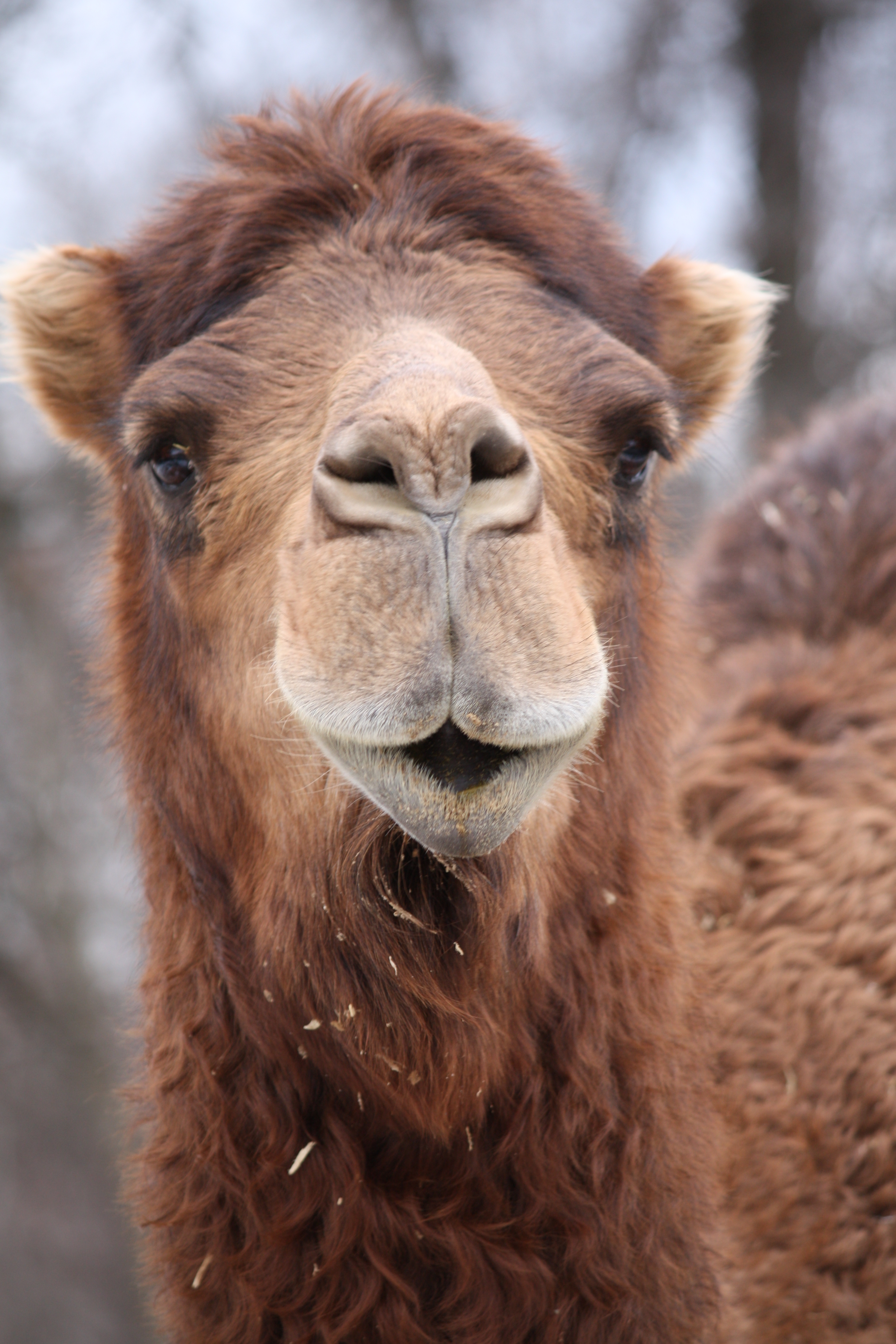
Camels store water in their humps to survive in the desert.
Camels store fat in their humps, not water. Water conservation comes from efficient kidneys, concentrated urine, and tolerance to dehydration.
What changed?
Every schoolchild who has ever drawn a desert scene knows the camel's hump: a rounded reservoir, a private canteen the animal draws on when rivers vanish and wells run dry. It is one of those facts that arrives fully formed, needing no explanation, so obvious in its logic that questioning it feels perverse. The hump swells when the camel is well-fed and deflates when it is starving. The inference that it must hold water was, to most observers, automatic.
The answer, arrived at through decades of physiological fieldwork, is fat. Nothing but fat. The hump of a healthy dromedary contains up to eighty pounds of adipose tissue, a concentrated energy reserve laid down during periods of abundant food and metabolized during periods of scarcity. The advantage of storing fat in one concentrated location rather than distributed across the body is thermoregulatory: insulating fat spread beneath the skin would trap body heat that, in a desert environment reaching 50 degrees Celsius, the animal desperately needs to shed. By concentrating its fat reserves dorsally, the camel keeps its flanks relatively thin, allowing heat to radiate freely from the body's surface.
How the animal actually manages water is a more interesting story, and the scientist who worked it out most thoroughly was Knut Schmidt-Nielsen, a Danish-American physiologist who spent the 1950s studying desert animals in the Sahara. Schmidt-Nielsen and his collaborators published their findings in a series of papers and, in December 1959, in a landmark article in Scientific American titled "The Physiology of the Camel." What they found demolished the hump-as-water-storage theory while replacing it with a physiology far more elegant.
Camels survive extended dehydration not by carrying water but by tolerating its absence. A dehydrated camel allows its body temperature to swing through a range of about six degrees Celsius over the course of a day, storing heat during daylight hours rather than dissipating it through evaporative cooling (the mechanism that makes sweating so costly in terms of water). At night, the excess heat radiates off without any water expenditure at all. The camel's kidneys produce concentrated urine; its red blood cells are elliptical rather than round, a shape that prevents them from swelling and rupturing even when blood plasma thickens from dehydration. Its nasal passages function as a countercurrent heat exchanger, recapturing moisture from exhaled air before it leaves the body.
Schmidt-Nielsen also documented the recovery mechanism: a dehydrated camel can drink twenty-five to thirty gallons of water in roughly ten minutes and distribute it through its tissues without the red-cell rupturing that would kill most mammals subjected to such rapid rehydration. The water goes into the blood and tissues, not the hump, which remains, before and after drinking, a lump of fat.
The confusion almost certainly arose from a kernel of biochemical truth: fat oxidation does produce water as a byproduct. When a camel metabolizes its hump fat, each kilogram of fat yields slightly over a kilogram of metabolic water. But this metabolic water barely compensates for the increased respiratory water loss that fat metabolism requires, and no serious physiologist had argued since the 1950s that it represented a meaningful water source. The popular version of the claim, that the hump is a water tank the camel drinks from, was simply wrong. It persisted in children's books and quiz shows long after the science had moved on.