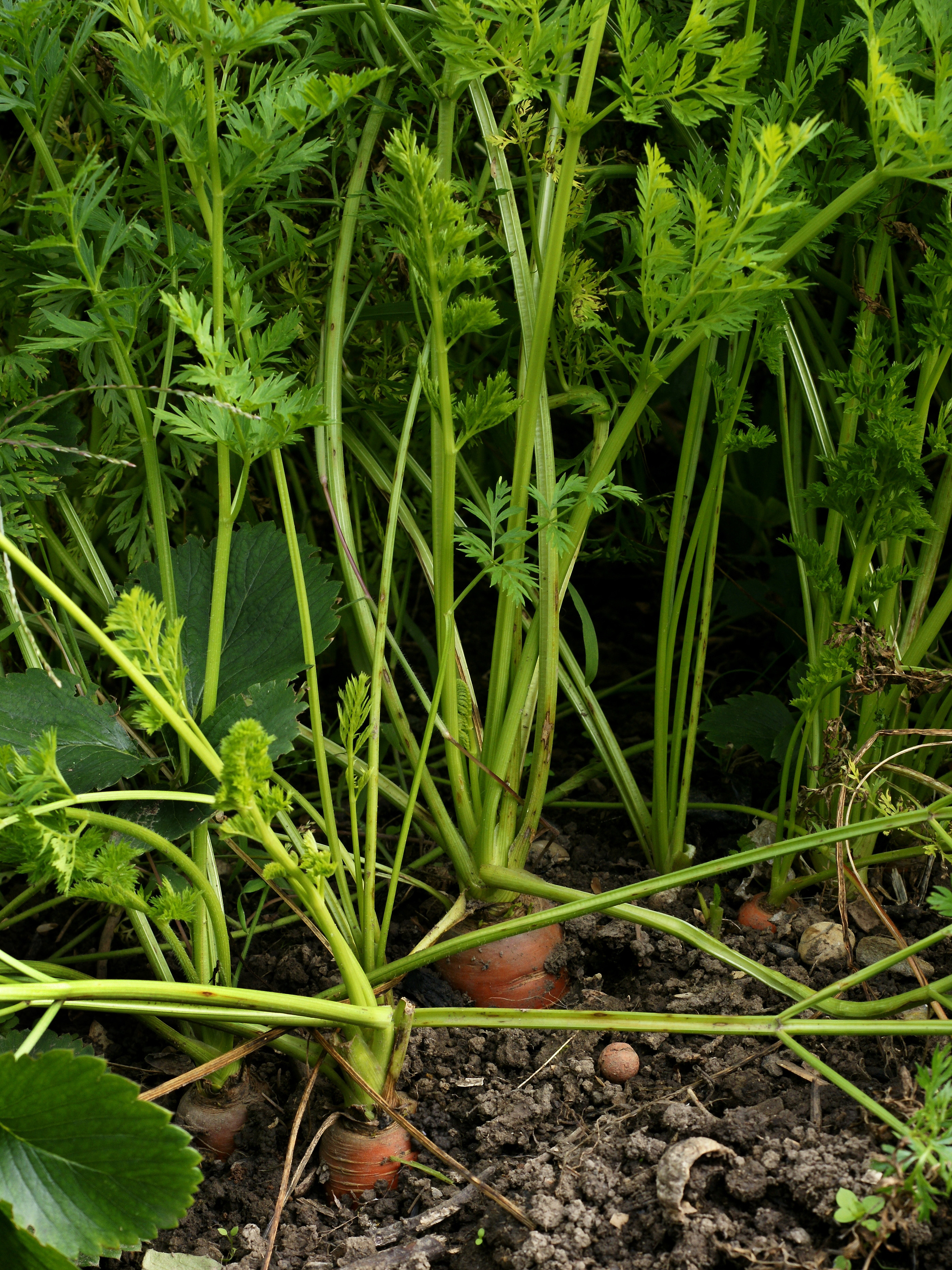
Eating carrots improves your night vision significantly.
Vitamin A deficiency can impair night vision, but eating extra carrots beyond normal dietary levels does not enhance vision in people who are not deficient. The myth was WWII propaganda to hide radar technology.
What changed?
In the autumn of 1940, the British Air Ministry released a remarkable story to the press. Squadron Leader John 'Cat's Eyes' Cunningham, flying a Bristol Beaufighter, had shot down his first enemy aircraft at night. He would go on to shoot down 19 more, all in darkness, becoming the RAF's most successful night fighter pilot. The Air Ministry's explanation for his extraordinary nocturnal acuity was that Cunningham ate an unusual quantity of carrots, and that the RAF in general was feeding its pilots a diet rich in the vegetable to improve their ability to see in the dark.
The story was a lie. Cunningham's success was not the result of vegetable consumption. It was the result of a secret system called AI Mk IV, aircraft interception radar, fitted to his Beaufighter, which could detect incoming German bombers at ranges of several miles and guide the pilot to within visual range. The Chain Home radar network along the English coast detected incoming raids; the airborne radar aboard the fighter aircraft completed the interception in conditions of complete darkness. Cunningham and his colleagues were not seeing better. They had technology that substituted for sight entirely.
The British government's interest in concealing this technology was obvious. If the Luftwaffe understood how British night fighters were achieving their results, German engineers would be tasked with jamming or countering the radar. The carrot story offered a plausible, benign alternative explanation, one that, if the Germans chose to adopt it, would grant them no advantage. The Ministry of Food, simultaneously managing food shortages and civilian rationing, found the campaign doubly useful: carrots were cheap to grow, could be cultivated in home gardens, and were in relative surplus compared to many other foods. Encouraging carrot consumption addressed multiple wartime problems at once.
The underlying biology is more complicated than the propaganda suggested, and not entirely wrong. Beta-carotene, the pigment that gives carrots their color, is a precursor of retinol, vitamin A. Vitamin A is essential for the production of rhodopsin, the photopigment in rod cells that enables vision in low-light conditions. Severe vitamin A deficiency causes night blindness, a condition in which the rod cells cannot function adequately in dim light. In populations where vitamin A deficiency was common, parts of wartime Europe where malnutrition affected large numbers, eating carrots would genuinely improve night vision. For a well-nourished person whose body already has sufficient vitamin A, however, additional beta-carotene produces no further improvement. The vitamin A pathway is saturable: the rod cells are already equipped with all the rhodopsin they can use.
The propaganda worked more thoroughly than the Ministry of Food may have anticipated. British children who grew up during and after the war were taught by parents and teachers that carrots improved vision. The claim migrated into health education as though it were established biology rather than wartime publicity. By the 1950s and 1960s, the instruction to eat carrots for eyesight was standard parental advice and appeared in school health curricula. The original military context had been largely forgotten; the dietary advice remained.
The RAF's radar systems were eventually declassified. The Chain Home network, the AI radar equipment, and the role of Robert Watson-Watt and his team in building British radar capability before the war all became public knowledge in time. What did not become widely known, outside of food historians and science journalists, was that the carrot-and-eyesight link had been deliberately constructed as cover for classified military technology. The advice survived the secret that invented it by decades, passed down through generations of parents urging children to finish their vegetables, and its afterlife in school health education bore no trace of Squadron Leader Cunningham, his radar-equipped Beaufighter, or the bombers he intercepted before they ever came within unaided sight.