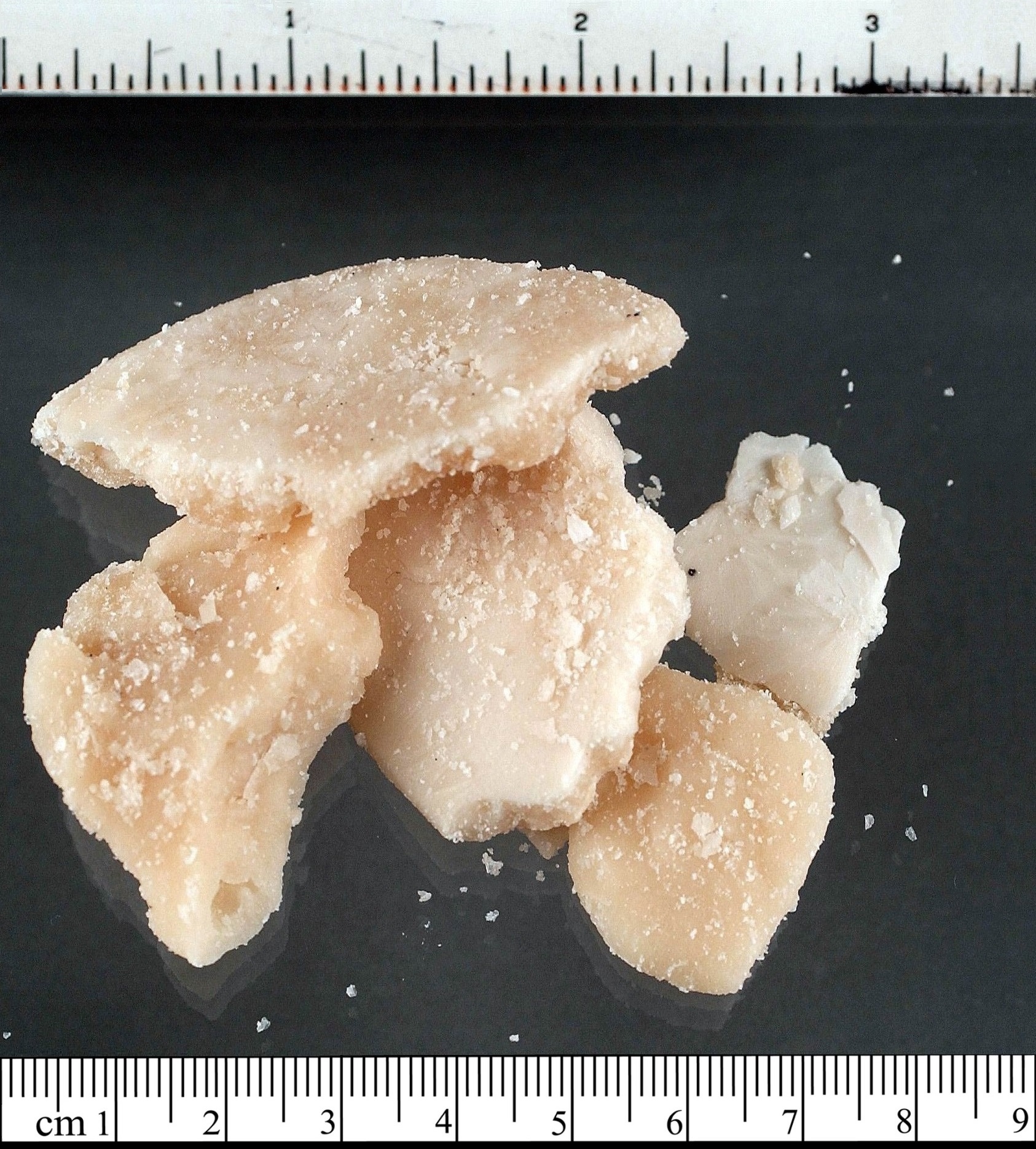
In September 1985, a brief research paper appeared in the New England Journal of Medicine that would ignite a fifteen-year moral panic. Ira Chasnoff, a pediatrician at Northwestern University, reported on 23 infants born to mothers who had used cocaine during pregnancy. The study was modest in scope and cautious in its conclusions, noting worrisome signs but emphasizing the need for follow-up research. The media response was neither modest nor cautious.
Within months, the phrase "crack baby" became a fixture of American public discourse. Newsweek ran a cover story warning of a generation irreparably damaged in the womb. Television news programs featured neonatal intensive care units where tiny, trembling infants fought for survival, their mothers' cocaine use presented as the singular cause of their distress. The message was unambiguous: prenatal exposure to crack cocaine caused permanent, catastrophic brain damage. What had begun as a preliminary finding from a small sample became, almost overnight, an established fact in the public mind and in educational settings.
Health teachers incorporated the crack baby narrative into their lessons with remarkable speed. DARE programs, which had begun spreading through American schools in 1983, added graphic descriptions of cocaine's prenatal effects to their anti-drug curriculum. Students in middle and high schools learned that babies exposed to crack in utero would suffer irreversible cognitive disabilities, that many would never speak or learn to read, that they represented a coming wave of unteachable children who would overwhelm the education system by the mid-1990s. Public service announcements reinforced these predictions. Foster care agencies flagged cocaine-exposed infants as high-risk placements before they left the hospital. The prophecy of permanent damage preceded the children into every institution they entered.
Meanwhile, researchers attempting to verify Chasnoff's findings encountered a stubborn methodological obstacle. Cocaine use during pregnancy almost never occurred in isolation. Women who smoked crack while pregnant were disproportionately poor, often lacked stable housing and prenatal medical care, and frequently used alcohol and tobacco as well. Many lived with domestic violence. The children they bore entered environments characterized by food insecurity, inadequate stimulation, and exposure to environmental toxins like lead. Separating the effects of prenatal cocaine exposure from the effects of poverty, malnutrition, and environmental chaos proved nearly impossible.
Early studies that reported developmental harm in cocaine-exposed children rarely controlled adequately for these confounding variables. A 1990 analysis revealed a troubling pattern in medical publishing: studies showing harm from cocaine were far more likely to be accepted for publication than studies finding no effect. Null results were dismissed as uninteresting. The scientific literature, as it accumulated through the 1990s, gave a systematically distorted picture of cocaine's actual impact.
The correction arrived in March 2001, when Deborah Frank and her colleagues at Boston University published a comprehensive review in the Journal of the American Medical Association. They examined data from three dozen longitudinal studies tracking children exposed to cocaine before birth. The conclusion was stark: when researchers controlled for poverty, maternal health, other substance exposures, and the quality of the child's home environment after birth, prenatal cocaine exposure showed no distinct developmental signature. The cognitive and behavioral difficulties attributed to crack were statistically indistinguishable from those associated with poverty and neglect. Cocaine was not harmless, but it was not uniquely or permanently damaging in the ways that had been taught.
By then, thousands of children had spent their early years carrying the label. Chasnoff himself acknowledged publicly that his initial findings had been wildly misinterpreted. Teachers and caseworkers, primed to expect severe disability, often approached these children with lowered expectations. The label became self-fulfilling in ways unrelated to neurochemistry.
The children born during the crack epidemic did face genuine developmental risks, but the risks stemmed primarily from poverty and environmental deprivation, factors far more amenable to intervention than the biological determinism implied by the crack baby narrative. The correction came too late for the cohort that had been stigmatized, but it fundamentally altered how subsequent research and policy understood prenatal substance exposure. The harm had been real, but it was social and environmental, not the irreversible neurological catastrophe that a generation of students had been taught to fear.