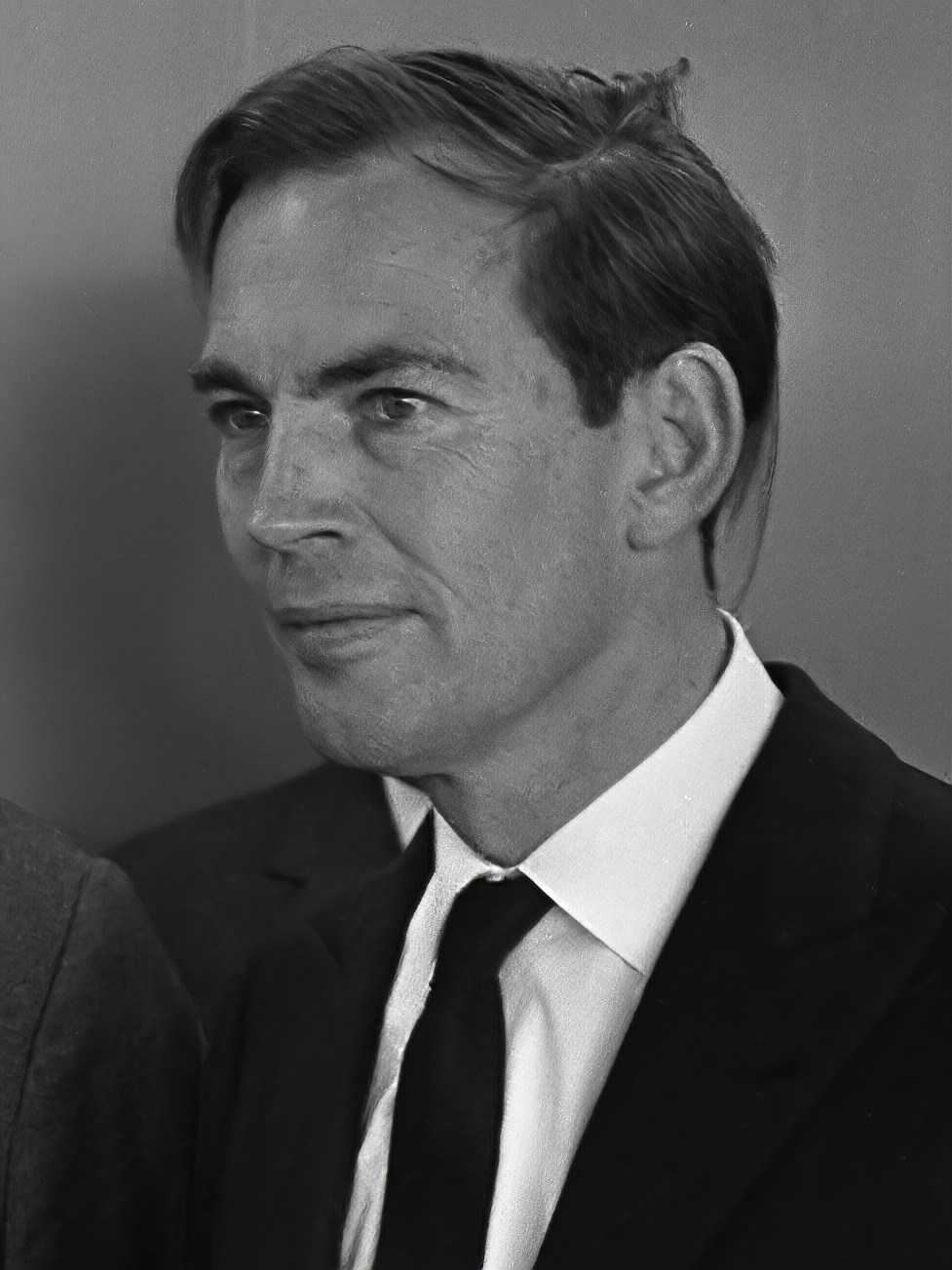
Before Christiaan Barnard walked into an operating theater in Cape Town on the night of December 2, 1967, the heart transplant had been a theoretical possibility for six decades and a practical impossibility for nearly as long.
The concept dates to Alexis Carrel, the French-American surgeon who developed techniques for suturing blood vessels in the early 1900s and demonstrated that animal hearts could be surgically detached and reconnected. Carrel won the Nobel Prize in Physiology or Medicine in 1912, in part for this work. But his transplants survived only hours or days. The reason was invisible to him: the immune system was systematically destroying the foreign tissue, and no one in medicine had a framework to explain why.
Peter Medawar, a British biologist working on skin grafts for burn casualties during the Second World War, provided that framework. Examining why skin grafted from one person to another consistently failed while skin from the patient's own body took, Medawar concluded that the immune system recognized and rejected foreign tissue as non-self. His work in the 1940s and into the 1950s established immunological rejection as the central problem of transplantation,not surgical technique, not organ function, but the body's own defenses. For this insight he shared the Nobel Prize in Physiology or Medicine in 1960.
The consequence for cardiac surgery was clear and discouraging. Even if a surgeon could technically replace one heart with another,connecting the four major vessels, restarting the organ, closing the chest,the recipient's immune system would eventually destroy the transplanted heart. Throughout the early 1960s, a small community of cardiac surgeons including Norman Shumway at Stanford and Richard Lower at the Medical College of Virginia were refining the surgical technique in dogs, keeping transplanted canine hearts alive for weeks with early immunosuppressants. The drugs were crude,azathioprine and cortisone, borrowed from kidney transplant medicine,and the results were inconsistent. The professional consensus held that the immunological barrier had not been adequately solved.
Barnard was not the leading name in the field. He had trained with Shumway and Lower, learned the standard technique, and returned to Groote Schuur Hospital in Cape Town without the publication record of the Stanford group. When a twenty-five-year-old woman named Denise Darvall died in a car accident on December 2, 1967, and her family agreed to donate her heart, Barnard moved. His team transplanted Darvall's heart into Louis Washkansky, a fifty-four-year-old wholesale grocer with end-stage heart disease, over nine hours of surgery concluding in the early hours of December 3.
Washkansky woke up. He spoke. He talked to his wife. For eighteen days he lived with another person's heart beating in his chest, before dying of pneumonia,not rejection, but an infection opportunistically enabled by the immunosuppressants that were suppressing not only rejection but his defenses against bacteria. Barnard published an interim report in the South African Medical Journal on December 30, 1967, three weeks after the operation. The paper was brief and deliberately modest. It described a successful procedure.
The world's response was not modest. Within a year, more than a hundred heart transplants had been performed at hospitals across the United States, Europe, and South America. Most of those patients died within weeks or months,from rejection, from infection, from the inadequacy of the drugs then available. The surgical community pulled back through the 1970s. It was not until the development of cyclosporin in the late 1970s and its clinical introduction in the early 1980s that cardiac transplantation achieved survival rates that made it a routine treatment. By the 1990s, one-year survival rates exceeded eighty percent. The heart that could not be transplanted was being transplanted in operating rooms around the world.