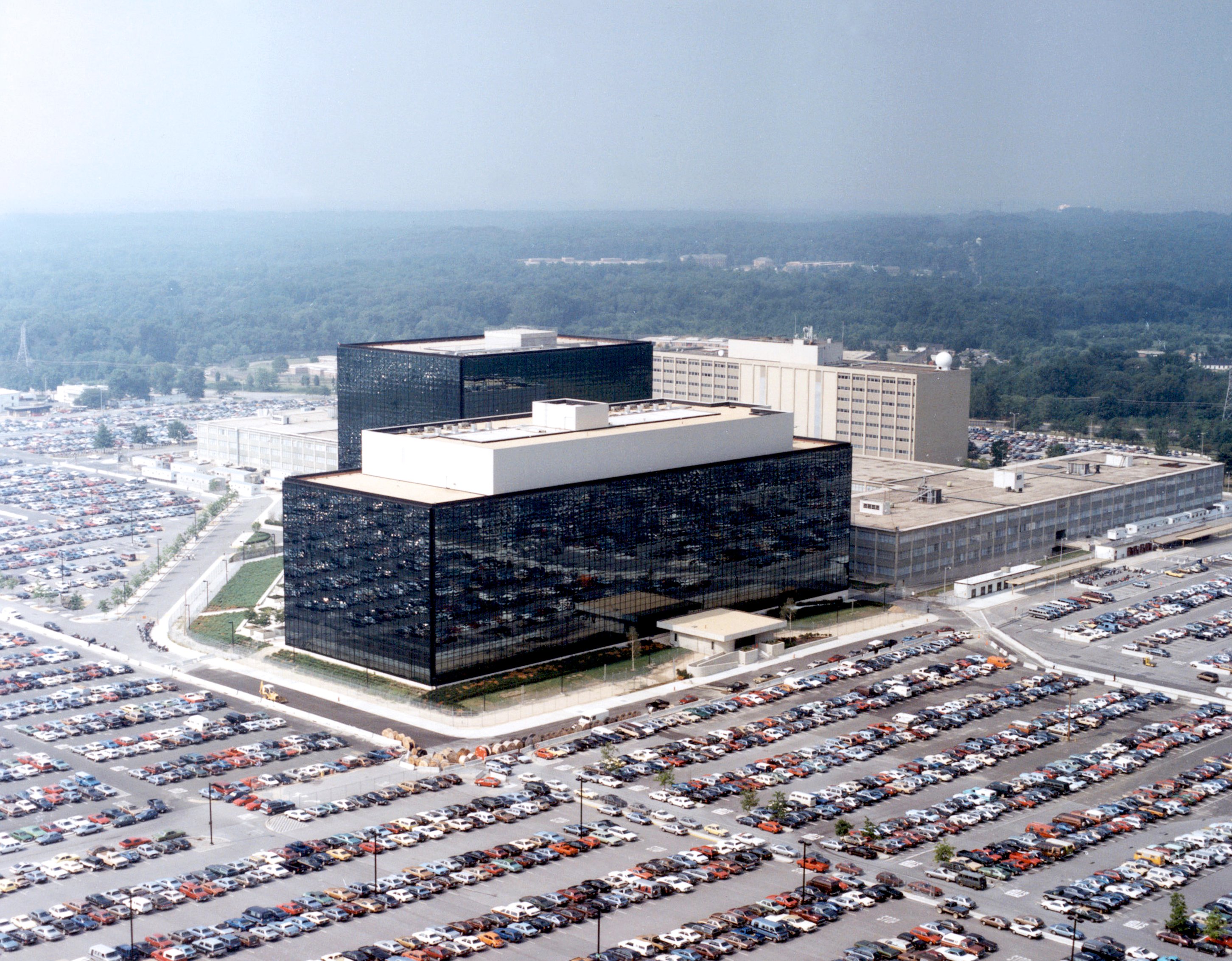
Mass surveillance programs - collecting metadata and communications at scale - are effective tools for preventing terrorism.
Multiple post-9/11 reviews found that bulk metadata collection programs (NSA's Section 215 program) produced no cases where bulk surveillance was essential to preventing an attack. The Privacy and Civil Liberties Oversight Board concluded in 2014 that the program was illegal and ineffective.
What changed?
The USA PATRIOT Act moved through Congress in the weeks after September 11, 2001 with a speed that left little room for deliberation. Signed into law on October 26, forty-five days after the attacks, it dramatically expanded the government's authority to collect intelligence on Americans, including, under Section 215, the ability to collect "any tangible things" relevant to a terrorism investigation. Civics classes that fall described the expansion as a necessary and effective counterterrorism tool. The argument was intuitive: if you could collect more information, you could identify threats before they materialized.
The classified programs that grew from these authorities were not publicly known until June 2013, when Edward Snowden, an NSA contractor, released thousands of documents to journalists Glenn Greenwald and Laura Poitras. The revelations revealed a bulk telephone metadata collection program that gathered information on effectively every phone call made in the United States, not the content of calls, but who called whom, when, and for how long. Similar programs operated for internet communications. The scale was far beyond what Congress or the public had understood when the PATRIOT Act was passed.
The question of whether these programs worked, whether bulk collection had actually prevented attacks, was examined by multiple post-Snowden reviews. The Privacy and Civil Liberties Oversight Board, an independent government agency, concluded in 2014 that the Section 215 bulk telephone records program had not been essential to preventing any terrorist attack. The Board found that the program "lacks a viable legal foundation" and recommended it be ended. A review group appointed by President Obama found similar limitations.
The NSA's defenders argued that metadata analysis had contributed to investigations, even if it was rarely decisive. This narrower claim was harder to assess, since the relevant information was classified. But the sweeping effectiveness argument, that collecting everything made everyone safer, had not been validated by the evidence.
Congress ended the bulk telephone records program in 2015 under the USA FREEDOM Act, requiring the government to obtain specific court orders rather than collect metadata wholesale. The program that civics classes had described as a necessary security tool had been found, on examination, to be both legally dubious and of marginal effectiveness.