The Moon is a barren, geologically dead rock with no resources or scientific interest beyond astronomy.
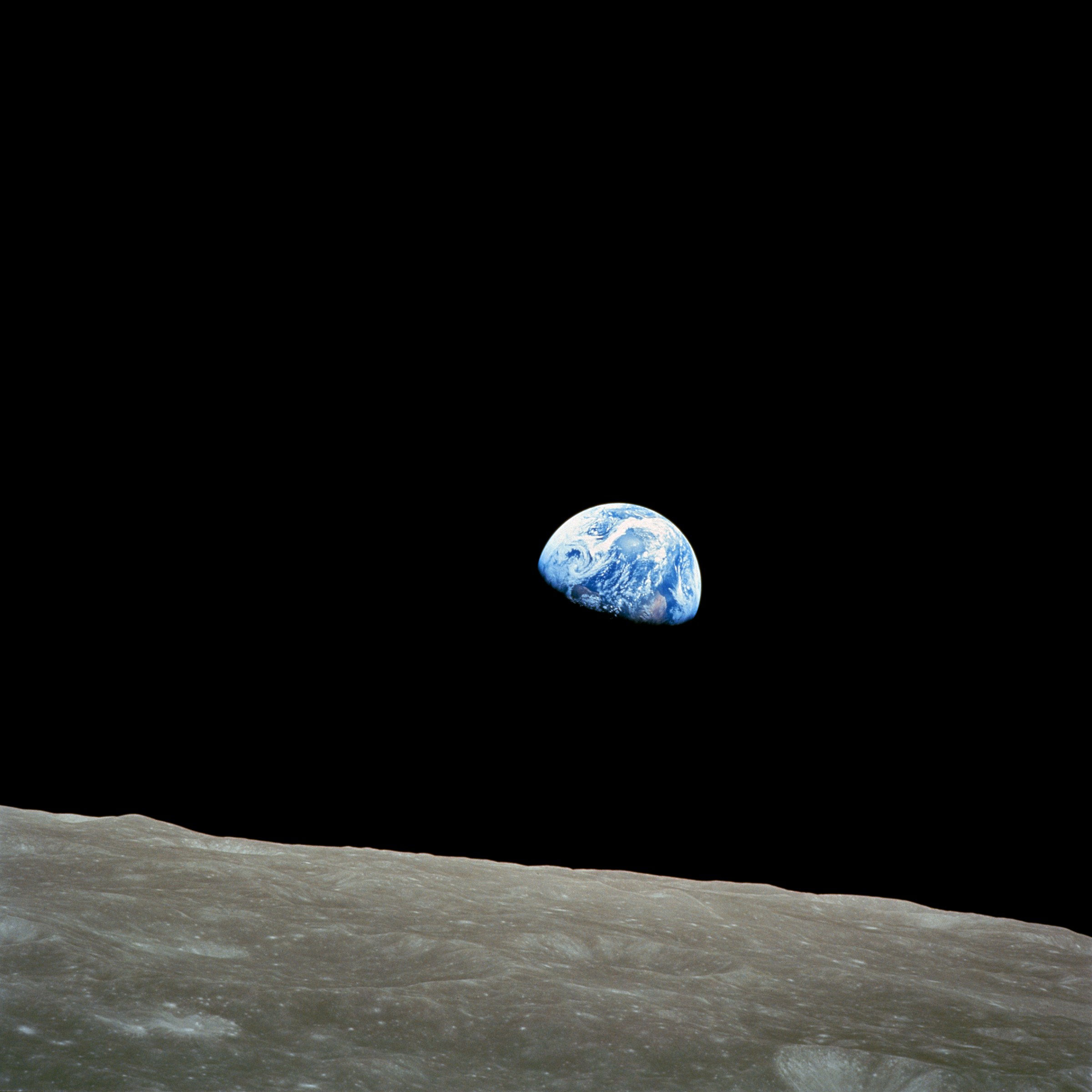
The Moon has significant scientific interest: it records early solar system history, contains water ice in permanently shadowed craters, has Helium-3 deposits, and its regolith chemistry reveals much about planetary formation. Apollo 8 (December 1968) brought humanity's first direct view of lunar surface from orbit.
What changed?
Before anyone reached the Moon, it was easy to assume there wasn’t much there. Telescopes could resolve craters and mountain ranges in reasonable detail, but they couldn’t reveal what lay beneath the surface, locked in permanently shadowed polar craters, or embedded in the chemical record of the regolith. The Moon looked dead, airless, waterless, geologically frozen, baked on one side and frozen on the other. Scientifically, a curiosity at best.
Apollo 8 changed the question.
On December 24, 1968, astronaut William Anders took a photograph from lunar orbit that almost immediately became one of the most reproduced images in history. “Earthrise” showed Earth, vivid, blue, impossibly small, rising above the grey lunar horizon against total blackness. The image reframed both worlds. The Moon wasn’t merely a destination for flags and footprints. It was a vantage point from which our own planet looked fragile and singular.
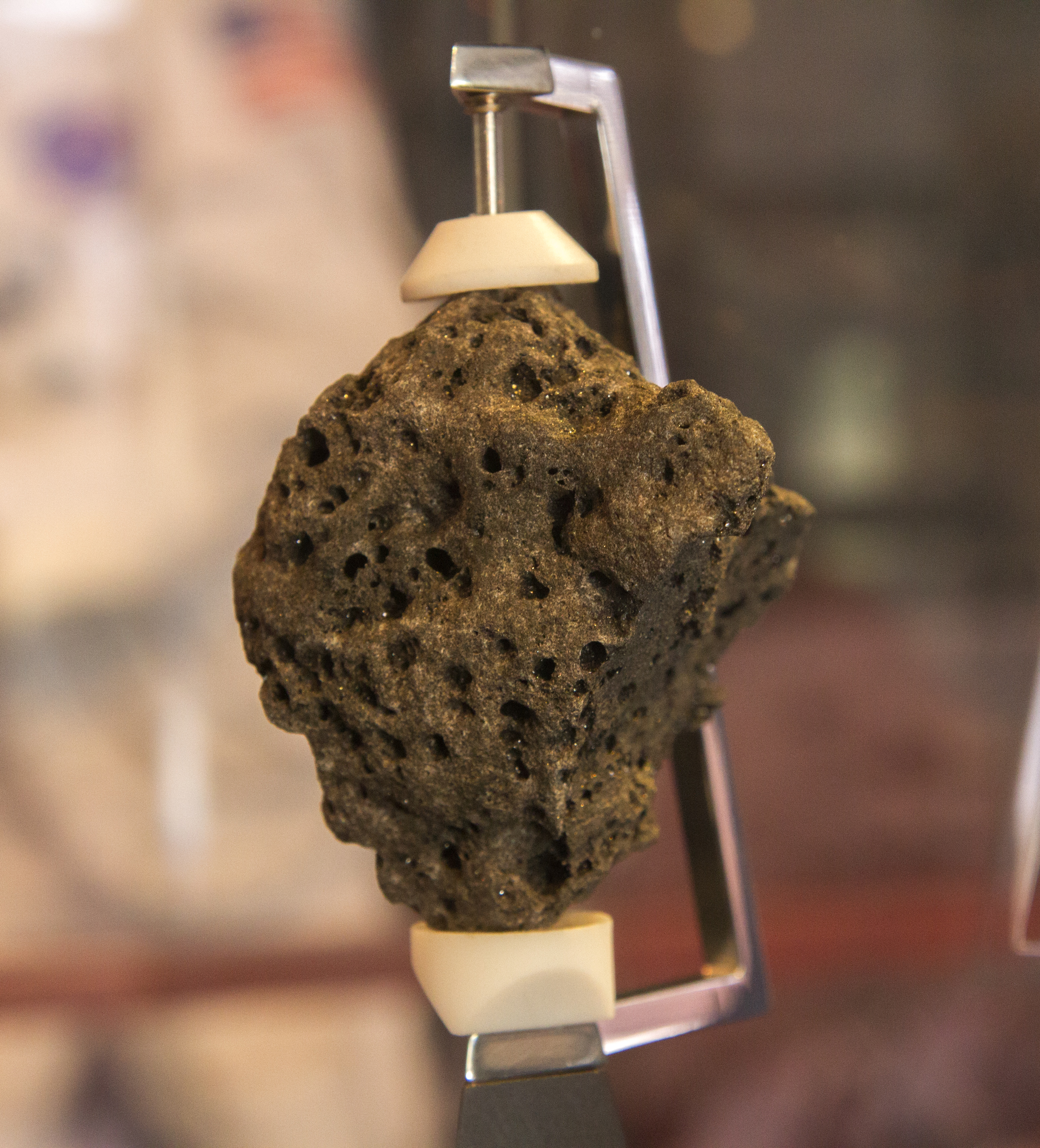
Then the scientists analysed the rocks. The Moon, it turned out, was a remarkable archive. Because it has no plate tectonics, no weather, and virtually no geological activity, its surface preserves a record of early solar system conditions going back more than four billion years, conditions Earth’s own crust has long since erased through recycling and erosion. Analysis of Apollo samples confirmed the Giant Impact Hypothesis: the Moon formed from debris ejected when a Mars-sized body, sometimes called Theia, collided with early Earth roughly 4.5 billion years ago. The isotopic signatures in lunar rock matched Earth’s mantle in ways that couldn’t be explained by any other formation model.
Water came later still. Radar observations in the 1990s hinted at ice in permanently shadowed polar craters. The LCROSS mission in 2009 settled it definitively, deliberately crashing a rocket stage into Cabeus crater near the lunar south pole and detecting water vapour in the ejecta plume. Billions of tonnes of water ice sit in permanent shadow at temperatures that never rise above -170°C, deposited by comets and asteroids over billions of years and preserved ever since.
A barren, scientifically uninteresting rock? The Moon turned out to be a 4.5-billion-year geological library, a window into planetary formation, and a potential future source of water, oxygen, and rocket propellant. The assumptions didn’t survive contact with the data.