Disproven Facts
Geography

Nuclear power is the most dangerous energy source, with the highest death toll per unit of energy.

Now we know:

Nuclear power has one of the lowest death tolls per unit of energy produced. Coal and oil cause far more deaths from air pollution, accidents, and climate change. Even including Chernobyl and Fukushima, nuclear is statistically safer than fossil fuels.

Disproven 2011

What changed?

Few things in modern life trigger dread as reliably as the word 'nuclear.' The combination of invisible radiation, catastrophic accidents at Three Mile Island, Chernobyl, and Fukushima, and the long shadow of atomic weapons has made nuclear power feel uniquely dangerous, a technology that kills on a different scale than anything else. Public opposition to nuclear energy has been a consistent feature of environmental politics since the 1970s, and the intuition that it is the most dangerous way to generate electricity has become close to common sense in many countries.

The statistics tell a different story.

Researchers measure energy danger in deaths per unit of electricity produced, typically deaths per terawatt-hour, which is roughly the annual electricity consumption of 150,000 people. By this metric, coal causes approximately 24 deaths per terawatt-hour when air pollution deaths are included. Oil causes around 18. Even natural gas, the cleanest fossil fuel, causes roughly 3. Nuclear power, including the full tolls of Chernobyl and Fukushima, causes approximately 0.03 to 0.07. Nuclear is not merely safer than fossil fuels, it is between 100 and 800 times safer per unit of energy delivered.

Nuclear's fearsome reputation rests heavily on its accidents' visibility. Chernobyl in 1986 killed approximately 30 to 60 people directly from acute radiation syndrome; the World Health Organisation's full accounting attributes roughly 4,000 eventual cancer deaths to radiation exposure from the disaster, a real and serious harm. Fukushima in 2011 caused no confirmed radiation-related deaths. These events were dramatic, required massive evacuations, and generated years of media coverage. Coal plants, by contrast, kill people continuously and quietly through particulate pollution and related cardiovascular disease, at a rate that adds up to millions of deaths per year globally, without generating headlines.

There is a further irony in the radiological comparison: coal plants release more radioactivity into the surrounding environment through fly ash, containing uranium and thorium, than a normally operating nuclear plant releases in the course of a year. The concentrated, visible risk of a reactor accident crowds out perception of the distributed, invisible risk of burning fossil fuels.

None of this means nuclear power is risk-free, that all reactor designs are equally safe, or that waste storage is a solved problem. But 'most dangerous energy source', by any honest accounting of actual deaths per unit of energy, belongs to coal and oil, which have been killing people continuously for more than a century.
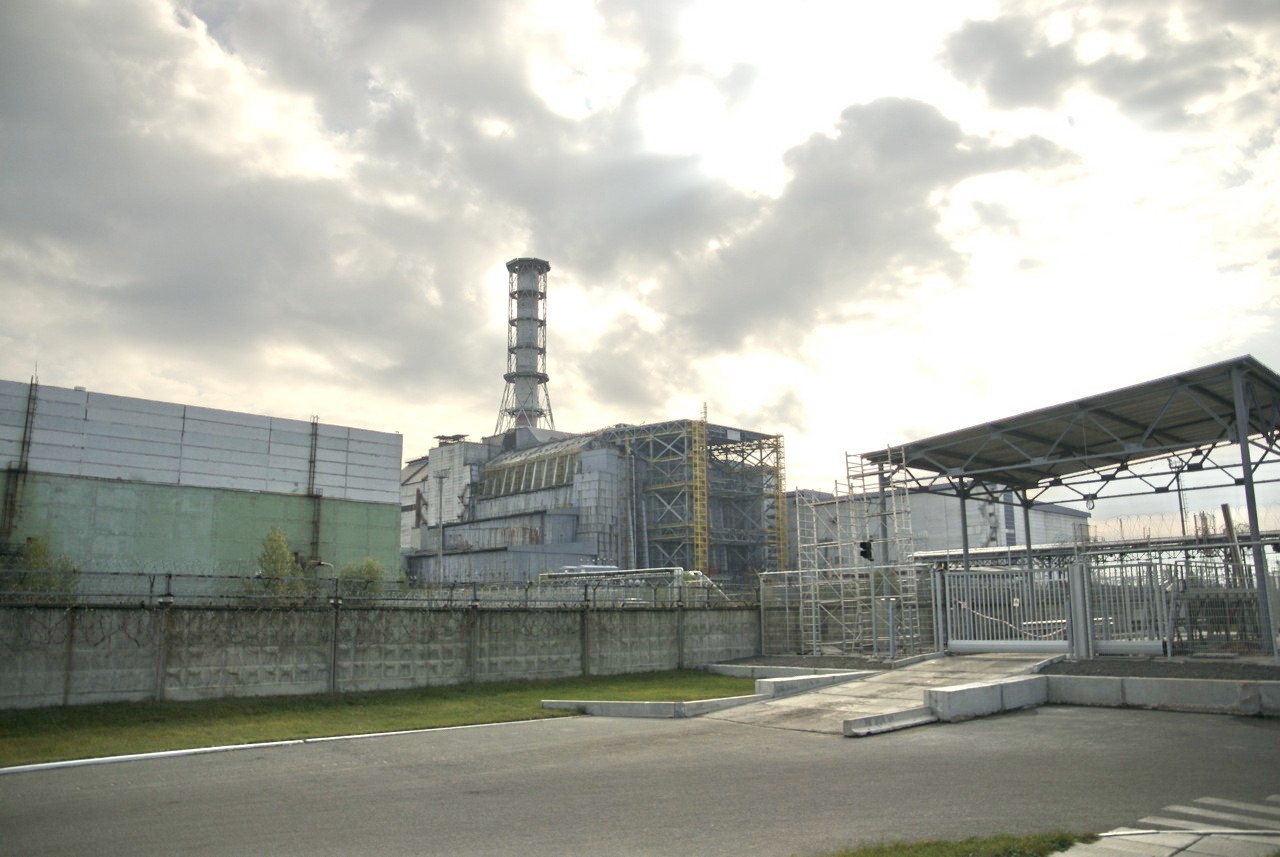
Aerial photograph of the destroyed Chernobyl reactor building, showing the collapsed structure following the 1986 explosion.
The destroyed Chernobyl reactor No. 4 - the world's most severe nuclear accident, yet nuclear power still produces far fewer deaths per unit of energy than coal. · USFCRFC - Public Domain
The Datteln 4 coal-fired power plant in Germany, with cooling towers and chimneys reflected in an adjacent canal.
The Datteln 4 coal-fired power plant in Germany. Coal causes roughly 24 deaths per terawatt-hour - hundreds of times more than nuclear power - primarily through air pollution. · Arnold Paul - CC BY-SA 3.0

At a glance

Disproven
2011
Believed since
1945
Duration
66 years
Taught in schools
1945 – 2011

Sources

  1. [1] Death rates from energy production per TWh - Ritchie, Hannah, 2020

See also

Technology
You were taught:

Nuclear power plants are completely safe and produce energy that is 'too cheap to meter.'

Now we know:

Nuclear power carries real risks including core meltdowns (Three Mile Island 1979, Chernobyl 1986, Fukushima 2011), radioactive waste storage challenges, and catastrophic failure modes. The 'too cheap to meter' quote was taken out of context but reflected genuine 1950s–60s optimism.

Disproven1979
Read more →
Drugs & Toxins
You were taught:

The Chernobyl nuclear accident's health effects were limited to the immediate area. The Soviet response contained the contamination.

Now we know:

Chernobyl released contamination across Europe. WHO estimates up to 4,000 additional cancer deaths may result from radiation exposure. The full health and environmental impact has been debated for decades, with some estimates far higher.

Disproven1991
Read more →
Drugs & Toxins
You were taught:

Small doses of radiation are safe and the risks from atmospheric nuclear tests are negligible.

Now we know:

There is no proven safe threshold of ionizing radiation. Fallout from atmospheric tests in the 1950s exposed millions to radiation and caused measurable increases in cancer rates.

Disproven1956
Read more →
Geology
You were taught:

Corn ethanol and other first-generation biofuels are a clean, climate-friendly alternative to fossil fuels.

Now we know:

Life-cycle analysis found that corn ethanol produced comparable or greater greenhouse gas emissions than gasoline when land-use change was included. The biofuel mandate drove up global food prices and contributed to food insecurity in developing nations.

Disproven2008
Read more →