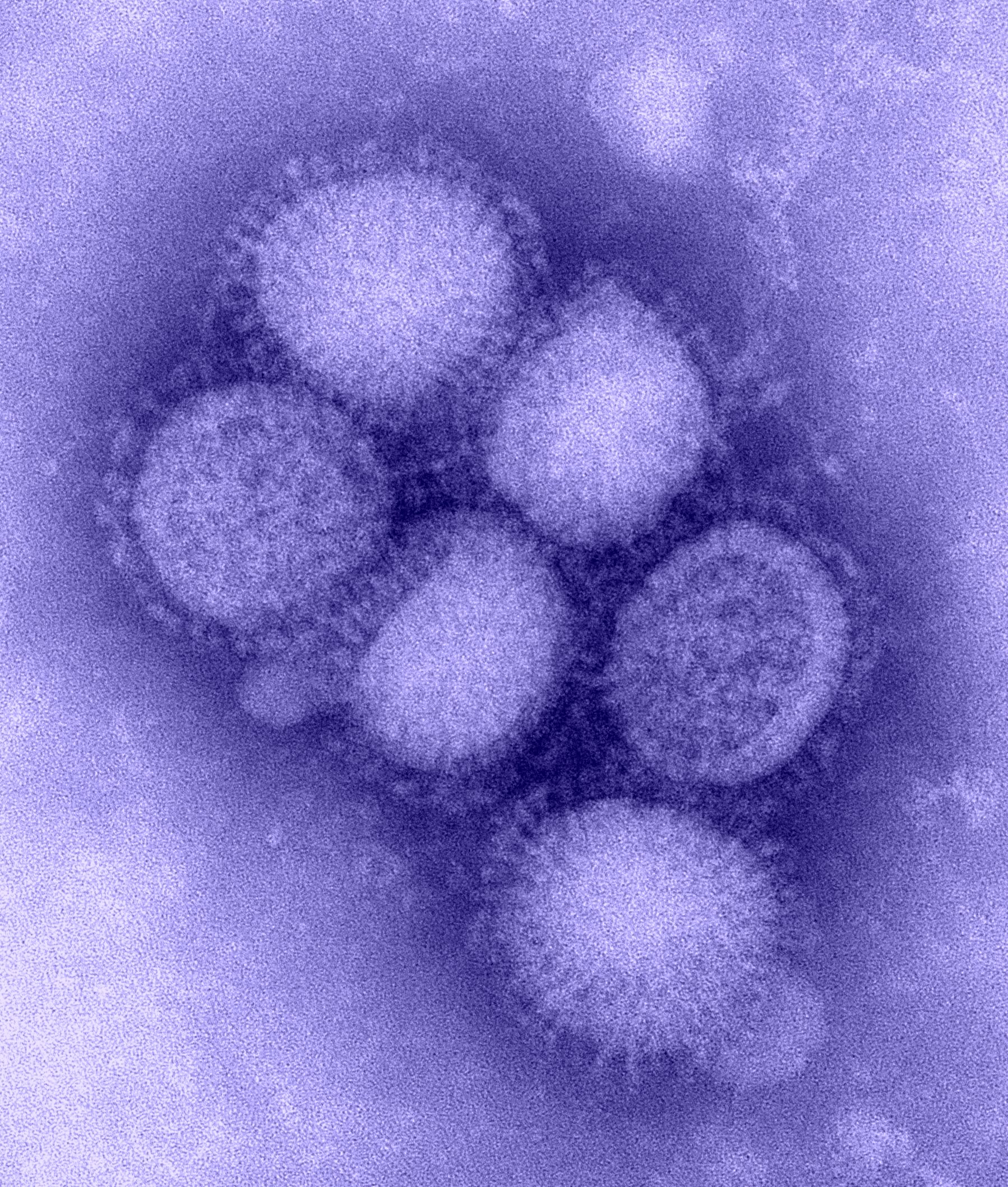
The H1N1 swine flu vaccine was developed too quickly and may be unsafe.
The 2009 H1N1 vaccine was developed using the same established process as seasonal flu vaccines and had a comparable safety profile. The vaccine was monitored by multiple national and international surveillance systems and found to be safe and effective.
What changed?
By early autumn 2009, American school districts were contending with an unusual problem. The H1N1 influenza pandemic had officially arrived, the World Health Organization had declared it in June, only the second flu pandemic since 1968, and a vaccine was being fast-tracked to market. Health classes across the country needed to explain it. What they found, in many districts, was that students and their parents had already made up their minds: the vaccine was too new, the process too rushed, and the government could not be trusted. This was not ignorance. It was memory.
The suspicion that shadowed the 2009 H1N1 vaccine had a specific genealogy. Eleven years earlier, Andrew Wakefield, a British gastroenterologist, had published a paper in The Lancet claiming a link between the MMR vaccine, measles, mumps, and rubella, and autism. The study was small, methodologically unsound, and, as investigations later confirmed, fraudulent. It was eventually retracted in 2010, and Wakefield lost his medical license. But the damage was already done. By 2009, a significant fraction of American parents had internalized a general wariness about vaccines that went far beyond any particular claim. Into that climate came a new vaccine, developed in what seemed like record time.
The perceived rush was understandable on the surface. The 2009 H1N1 virus, a novel combination of human, swine, and avian influenza genes, had not existed in circulating form before early 2009. Vaccine trials were published in September and October of the same year as widespread vaccination began. To anyone unfamiliar with how influenza vaccines are made, this looked like cutting corners.
The H1N1 vaccine was manufactured using an egg-based process that had been in continuous use since the 1940s. Seasonal flu vaccines require the same procedure every year: identify the likely strains in the spring, grow the viruses in fertilized eggs through the summer, formulate and bottle the result by fall. The H1N1 vaccine slotted into the same production infrastructure, using the same regulatory pathways and the same safety checkpoints. What changed was the strain. The process was unchanged.
Surveillance systems monitoring the vaccine's rollout confirmed what the process should have predicted. The U.S. Centers for Disease Control and Prevention's Vaccine Adverse Event Reporting System tracked adverse events in real time. Chinese health authorities published postmarketing surveillance data in the New England Journal of Medicine covering 89.6 million doses administered between September 2009 and March 2010: the adverse event rate was 90 per million doses, comparable to seasonal flu vaccines, and no pattern of serious concern emerged. A systematic review and meta-analysis published in Influenza and Other Respiratory Viruses similarly found the H1N1 vaccines had a safety profile consistent with standard seasonal influenza vaccination.
The Guillain-Barré concern, a rare neurological condition that had been genuinely associated with the 1976 swine flu vaccine, received particular scrutiny. In 1976, roughly one in 100,000 vaccinees developed the syndrome. Surveillance following the 2009 H1N1 vaccine detected no comparable signal. The 2009 vaccine, despite sharing a name and a reputation with its predecessor, was a different formulation produced under different conditions.
None of this fully resolved the classroom problem. Vaccination coverage for H1N1 in the United States remained well below what public health officials had hoped. Surveys of parental hesitancy consistently pointed to safety concerns as the primary deterrent. The school nurse who explained immunological priming while parents were forwarding email chains about untested government injections faced a communication challenge that the data alone could not solve.
The episode revealed something important about how vaccine hesitancy propagates. It does not require a continuous supply of misinformation. A claim, once embedded, that a particular vaccine caused harm, that regulatory agencies can be pressured by industry, that speed implies danger, persists long after its specific context has been discredited. In 2009, the H1N1 vaccine was evaluated against a fear that had been built on the wreckage of a retracted study about a different vaccine. The evidence was assessed, and found solid. The fear, already freestanding, persisted anyway.