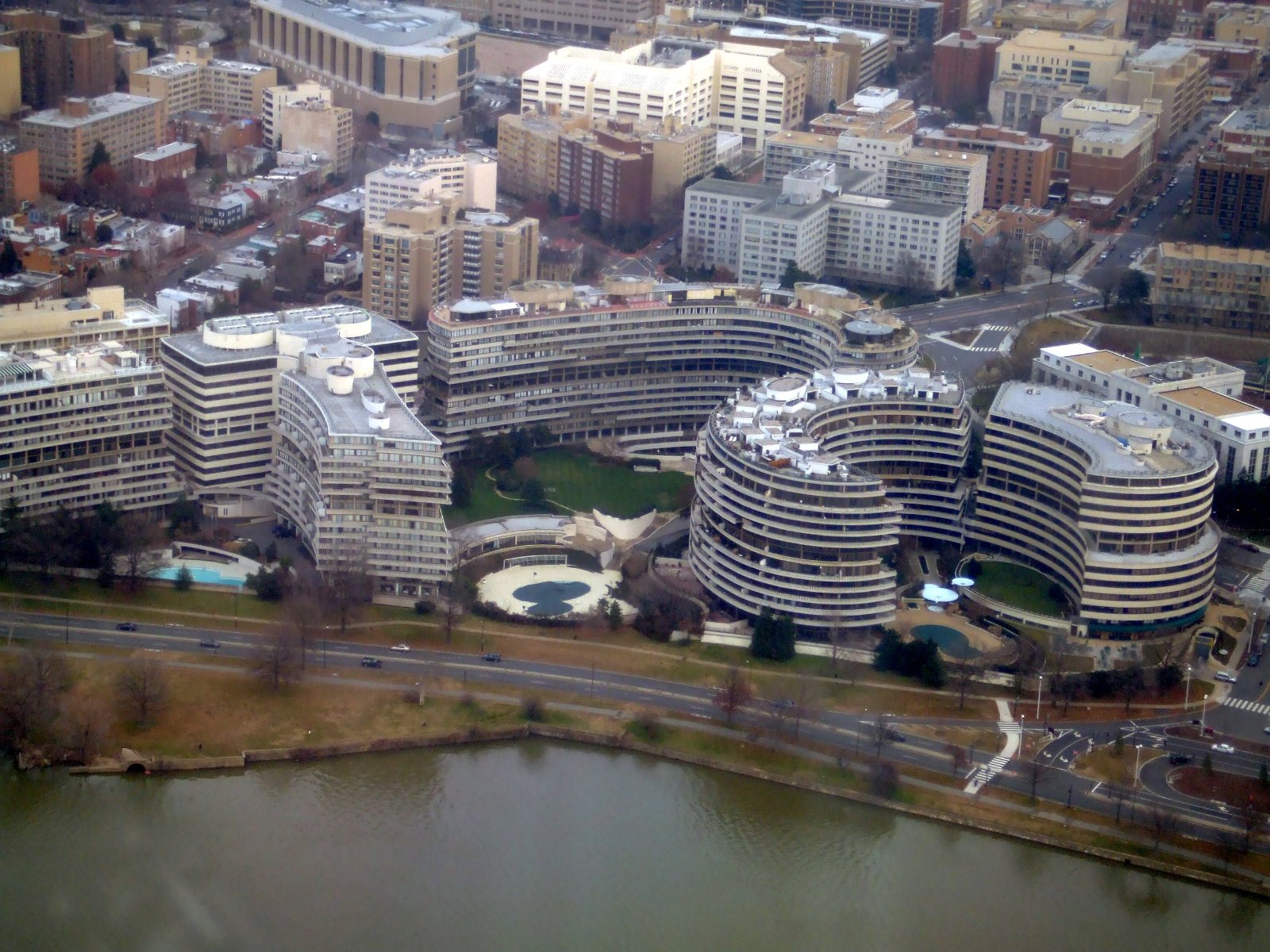
On June 17, 1972, five men were arrested inside the Democratic National Committee headquarters at the Watergate complex in Washington, D.C. They had been caught trying to photograph documents and plant listening devices. Nixon's press secretary Ron Ziegler dismissed the incident as "a third-rate burglary attempt," a characterization that was contemptuous in its brevity and designed to suggest that nothing of consequence had occurred. In the months that followed, as Nixon won reelection in November by one of the largest landslides in American history, carrying 49 states, the framing seemed to hold. The burglary appeared to be exactly what the White House said it was: an embarrassing but minor criminal act by overzealous operatives, unconnected to the president or his senior staff.
The description was credible because it matched what most people expected political scandals to be: isolated acts by subordinates, not orchestrated campaigns from the top. Nixon was an experienced politician with a reputation for discipline and control. The idea that he would personally authorize or direct a break-in at the opposition's headquarters seemed implausible, almost cartoonish. Voters had more immediate concerns. The Vietnam War was winding down. The economy was reasonably strong. Nixon's opponent, George McGovern, ran a campaign that many viewed as too far to the left. Watergate was a story, but it was not yet the story.
What took months to establish was that the men arrested were not freelance operatives. James McCord was the security director of the Committee to Re-Elect the President. E. Howard Hunt and G. Gordon Liddy, who had organized the operation, both had CIA backgrounds and direct White House connections. The cash found on the burglars was traced back to the Nixon campaign. The break-in, codenamed GEMSTONE, was part of a broader pattern of political espionage and sabotage targeting Democratic candidates throughout the 1972 primary season. This was not an isolated event. It was one thread in a larger operation.
The unraveling began with persistent investigative journalism, particularly by Washington Post reporters Bob Woodward and Carl Bernstein, who traced the money and connections despite stonewalling from the administration. The Senate established a special committee in early 1973, and televised hearings that summer brought the scale of the conspiracy into public view. White House counsel John Dean testified that there had been a cover-up and that Nixon was directly involved. Then came the revelation that changed everything: the president had secretly recorded his Oval Office conversations. The tapes existed. The question became whether they would be released.
The cover-up, as the tapes eventually revealed, had reached the Oval Office within days of the break-in. On June 23, 1972, just six days after the arrests, Nixon was recorded instructing his chief of staff, H.R. Haldeman, to have the CIA tell the FBI to back off the investigation on false national security grounds. This recording, known as the "smoking gun" tape, was not disclosed until August 1974, after a Supreme Court ruling forced its release. When it became public, it established beyond dispute that the president had personally obstructed justice from the first week.
The full scope of what had been hidden became clear through the Senate hearings and subsequent prosecutions. The Nixon White House had maintained a covert "plumbers" unit that had engaged in illegal wiretapping, break-ins, and surveillance of perceived enemies, including breaking into the office of Daniel Ellsberg's psychiatrist. The administration had weaponized federal agencies, using the IRS, FBI, and CIA as instruments against political opponents. Campaign finance violations ran into the millions. Seventeen Nixon aides were eventually convicted of crimes related to Watergate and related abuses.
Nixon resigned on August 9, 1974, the only American president ever to do so. He had been informed by Republican congressional leaders that impeachment by the House and conviction by the Senate were certain. The "third-rate burglary" had been the visible edge of a systematic abuse of power that redefined what presidential scandal meant in American political life. Watergate established that no one, not even the president, was above the law, and that the mechanisms of accountability, however slow and contested, could function.