The Watergate break-in was an isolated third-rate burglary with no connection to the White House.
Watergate was a broad conspiracy involving the Nixon White House, involving obstruction of justice, abuse of power, campaign finance violations, and use of intelligence agencies against political opponents. Nixon resigned August 9, 1974.
What changed?
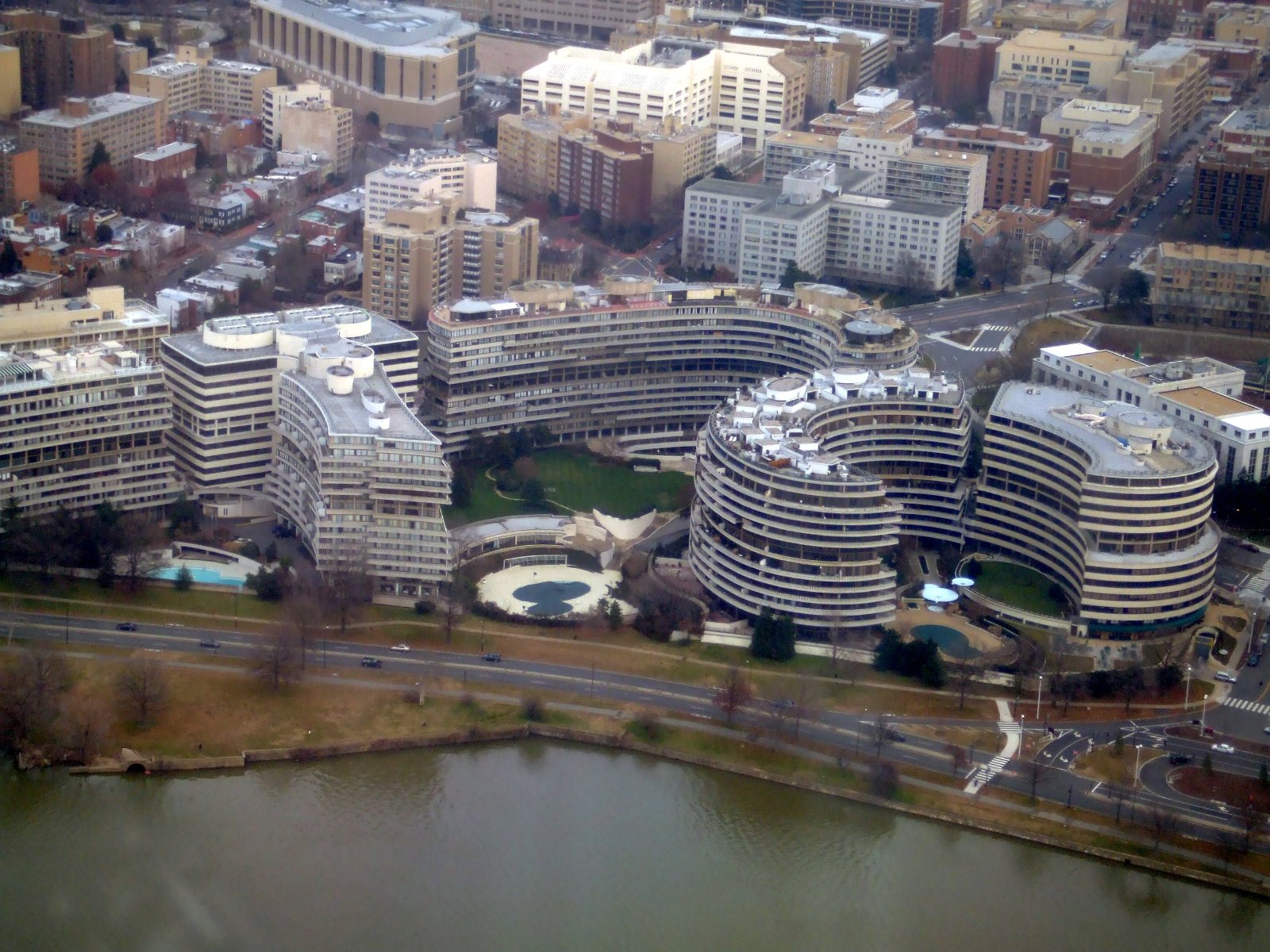
On June 17, 1972, five men were arrested inside the Democratic National Committee headquarters at the Watergate complex in Washington, D.C. They had been caught trying to photograph documents and plant listening devices. Nixon's press secretary Ron Ziegler called it "a third-rate burglary attempt." The description stuck, minimizing, almost contemptuous, designed to suggest that nothing important had occurred. In the months that followed, as Nixon won reelection in a historic landslide, most voters seemed to accept the characterization.
What the burglars were doing there, and who had sent them, took considerably longer to establish. The men arrested were not random opportunists. James McCord was the security director of the Committee to Re-Elect the President (CREEP). E. Howard Hunt and G. Gordon Liddy, who had organized the operation, both had CIA and White House connections. The money in the burglars' pockets was traced to CREEP. The operation, codenamed GEMSTONE, was part of a broader campaign of political espionage and sabotage that had targeted Democratic candidates throughout the primary season.
The cover-up, as later established, reached the Oval Office within days. On June 23, six days after the break-in, Nixon was recorded directing his chief of staff to have the CIA tell the FBI to back off the investigation on national security grounds. This recording, the "smoking gun" tape, was not disclosed until August 1974, but when it was, it established conclusively that the president had personally obstructed justice from the first week.
Senate hearings in 1973 revealed that the Nixon White House had maintained a "plumbers" unit that had engaged in illegal wiretapping, break-ins (including the office of Daniel Ellsberg's psychiatrist), and surveillance of political opponents. The administration had used the IRS, FBI, and CIA as instruments against its enemies. The campaign finance violations ran into the millions. Seventeen Nixon aides were eventually convicted of crimes related to Watergate.
Nixon resigned on August 9, 1974, the only American president to do so. He had been told by Republican congressional leaders that impeachment and conviction were certain. The "third-rate burglary" had been the visible tip of a systematic abuse of power that made it the most consequential political scandal in American history.